
Aediris / In conception
An intention.
A way of seeing.
What makes a reference useful for the thing you want to create?
Aediris begins with this question. It is an idea for visual research that stays close to an artist’s intention.
Follow the ideaConcept illustration · Prepared references
One question.
Several ways to look.
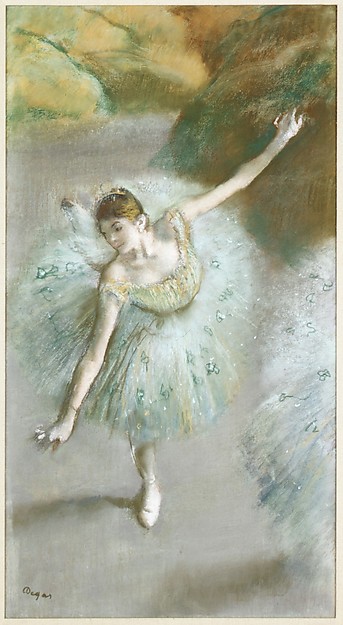
A figure about to move. A believable shift of weight. The images below illustrate an idea, not a search performed by a product.
- 01 / Begin
Give the search
an intention.Start with the decision in front of you. Here, it is the moment just before a character moves.
A starting point“A figure
Gesture / Balance
about to move.” - 02 / Explore
Open up
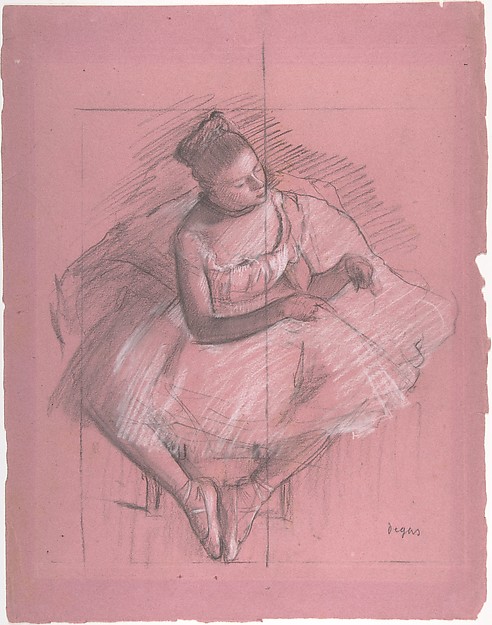
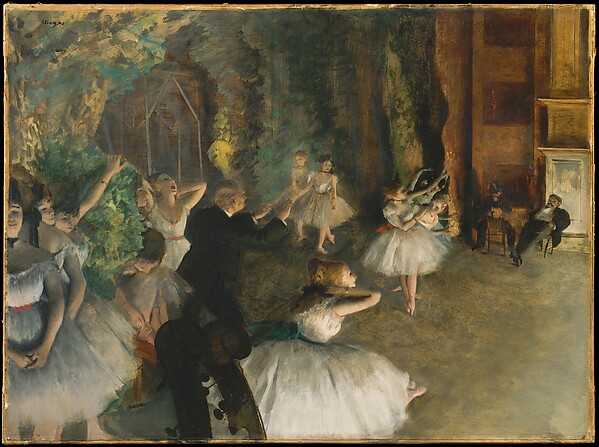
the possibilities.A standing figure. A seated pose. A scene with several bodies. Different images offer different ways into the question.
- 03 / Look closer
Find what
each image offers.A diagonal torso suggests movement. A seated figure makes support easier to see. The observation gives each reference a purpose.
A line of movement. - 04 / Compare
Keep the useful.
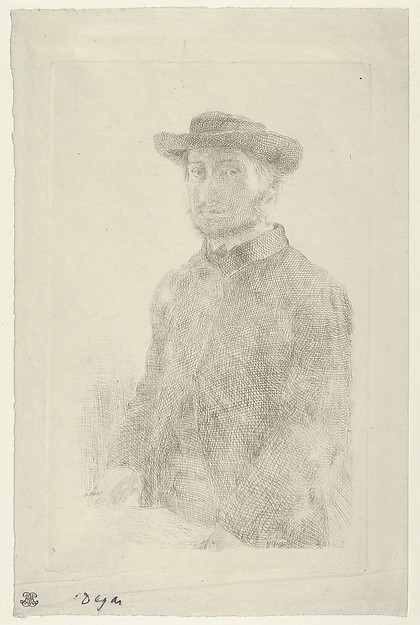
Leave room.The portrait may be a beautiful image, but it tells us less about this full-body movement. Setting it aside makes the intention clearer.
Study the support.Another question. - 05 / Make it yours
Your references.
Your direction.A few images, with reasons to keep them. What you take from them, and what you make next, remains yours.
Look. Compare.
Then make your own.
Works by Edgar Degas, from The Met’s public-domain collection. The annotations are illustrative. View sources ↗
Where it stands
At the beginning.
Open to questions.
Aediris is in conception. The first work is to understand how artists find, organise and use references, and what they would want a tool to help with.
This illustrated sequence gives one possible direction a shape. There is no public product to try yet.
Talk about your practice